
Finding easy healthy recipes for diabetic meal planning felt like searching for a needle in a haystack of bland, dry foods when my doctor first handed me my diagnosis. I stared at a depressing list of forbidden ingredients, wondering if I would ever enjoy dinner again. Fortunately, things changed when I shifted my focus to balanced, satisfying meals that actually taste absolutely incredible every night.
Shift Your Mindset From Restriction to Addition
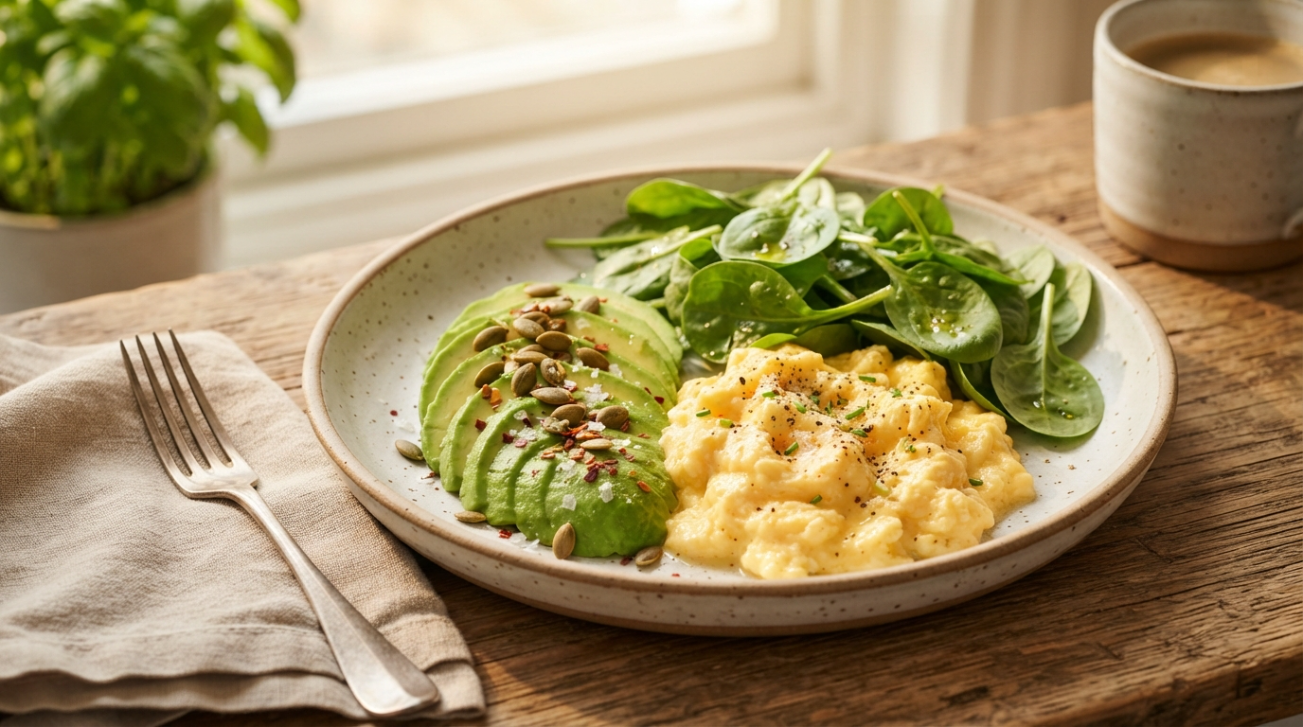
When I first had to change my diet, I spent weeks feeling sorry for myself because of all the things I could no longer eat. That miserable phase ended when I finally decided to shift my focus toward what I could actually add to my plate instead. Instead of obsessing over stripping away every single carb, I started focusing on piling on high-quality fibers, healthy fats, and clean proteins. Adding half an avocado to my morning eggs or tossing a handful of pumpkin seeds onto a salad made me feel full and satisfied. This abundance mindset completely changes how you look at dinner, turning a restrictive chore into an exciting culinary challenge. Focusing on dietary additions keeps your morale high and prevents the psychological burnout that makes so many diets fail.
Master the Plate Method for Fast Prep
You do not need a degree in nutrition to design a perfectly balanced dinner that keeps your glucose levels flat. The easiest way to organize your meals is by adopting the plate method as your daily blueprint. Fill half of your plate with non-starchy vegetables like spinach, roasted asparagus, or Brussels sprouts. Dedicate one quarter of the plate to lean proteins like grilled chicken or wild-caught salmon, and leave the remaining quarter for complex carbs like quinoa. I saved myself hours of daily stress by finding easy healthy recipes for diabetic meal planning that utilize this basic visual template. To make this even easier at home, I bought cheap divided plates from Target that literally force me to keep my portions in check without needing a food scale. Adopting the plate method removes the guesswork entirely and guarantees a balanced meal every time.
Build Your Base With Smart Carbs
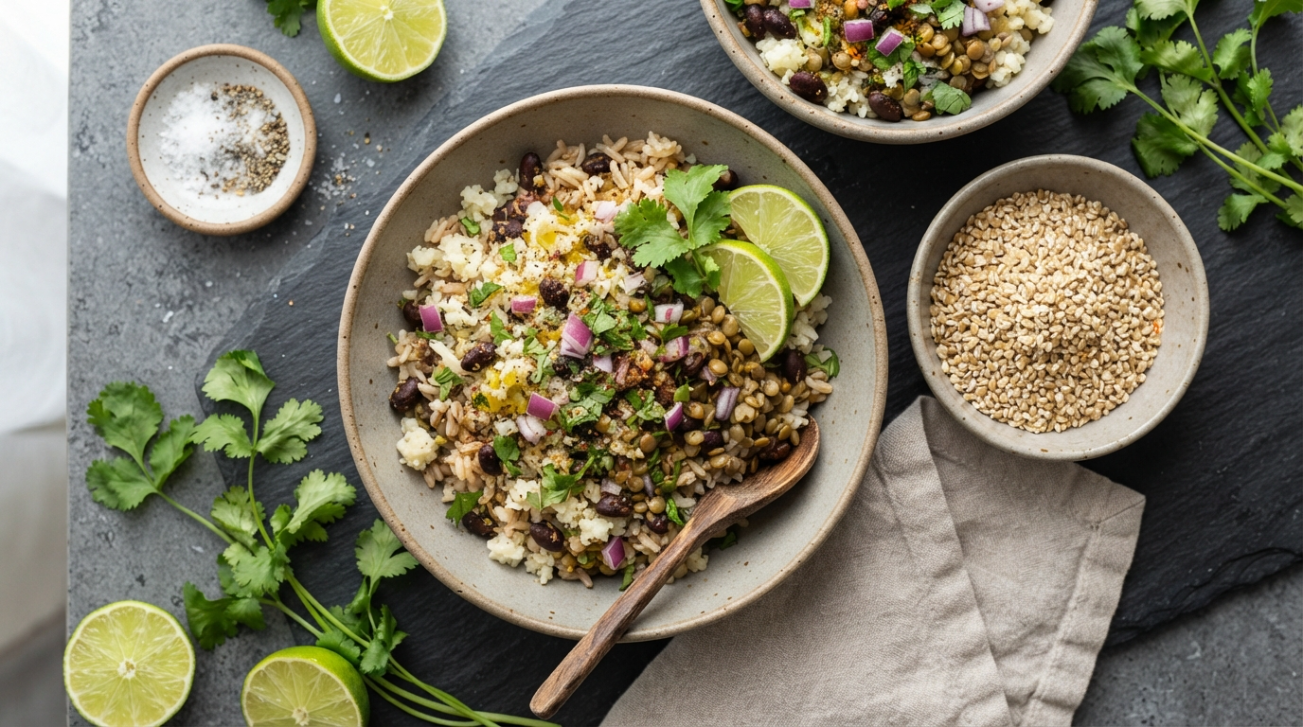
Carbohydrates are not the enemy, despite what some extreme internet forums might tell you. The secret lies in choosing complex carbs that digest slowly and keep your energy levels steady. Swap out highly processed white flour and white rice for fiber-dense alternatives like black beans, lentils, and steel-cut oats. I used to dread giving up rice dishes until I started mixing cauliflower rice with a small portion of brown jasmine rice. This simple trick gives you the exact texture of a hearty rice dish but cuts the glycemic impact in half. Building your meals around slow digesting carbohydrates ensures you stay full for hours without experiencing that dreaded post-meal brain fog.
How to Build Easy Healthy Recipes for Diabetic Meal Planning Into Your Weekly Routine
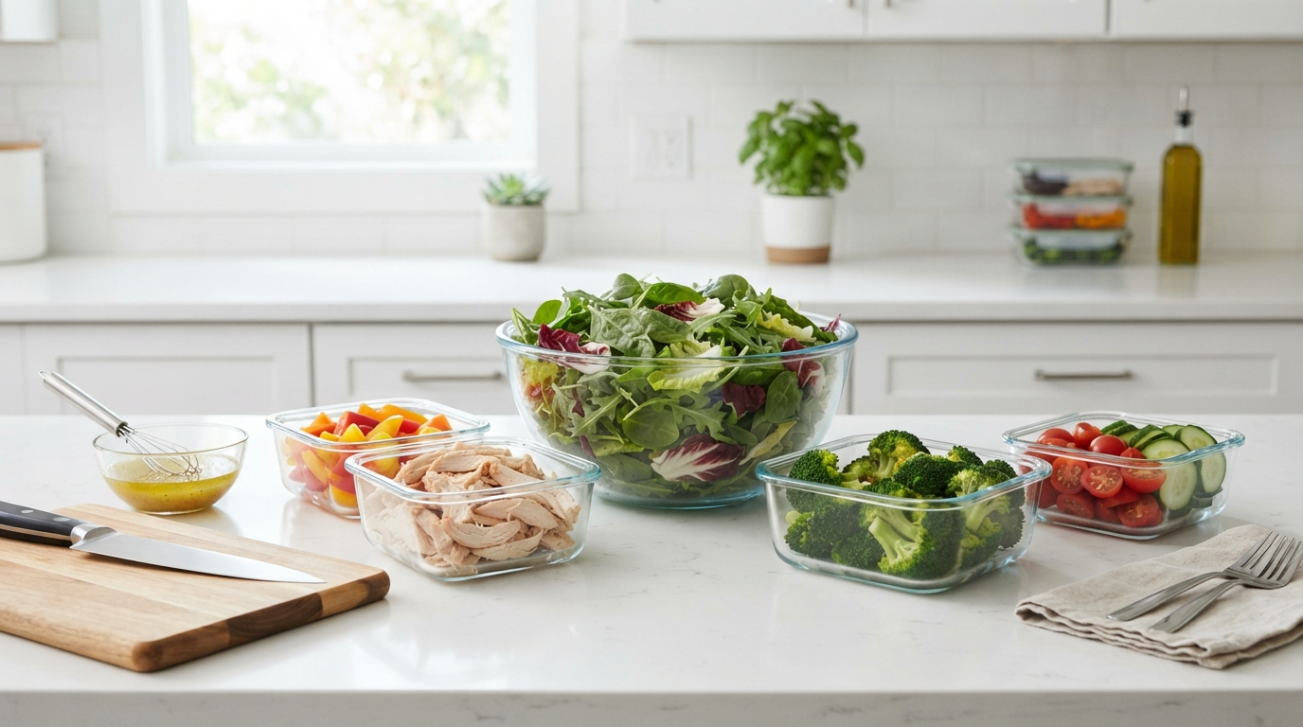
Attempting to cook a fresh, complicated meal every single night of the week is a recipe for disaster. Real life gets in the way, and when you are exhausted after a long workday, the temptation to order takeout becomes overwhelming. You can protect your health and your wallet by dedicating just two hours on Sunday to batch cooking. Roast three sheet pans of assorted vegetables, bake a family pack of chicken breasts, and cook a giant pot of quinoa all at once. Storing these components in clear glass containers in your fridge makes compiling dinner as simple as assembling a puzzle. Seeing your prepped ingredients right at eye level reminds you of your health goals and makes healthy eating the path of least resistance.
Also Read: Beginner Friendly Recipes for New Parent Weeknights 2026
Curate a Low-Glycemic Pantry Arsenal
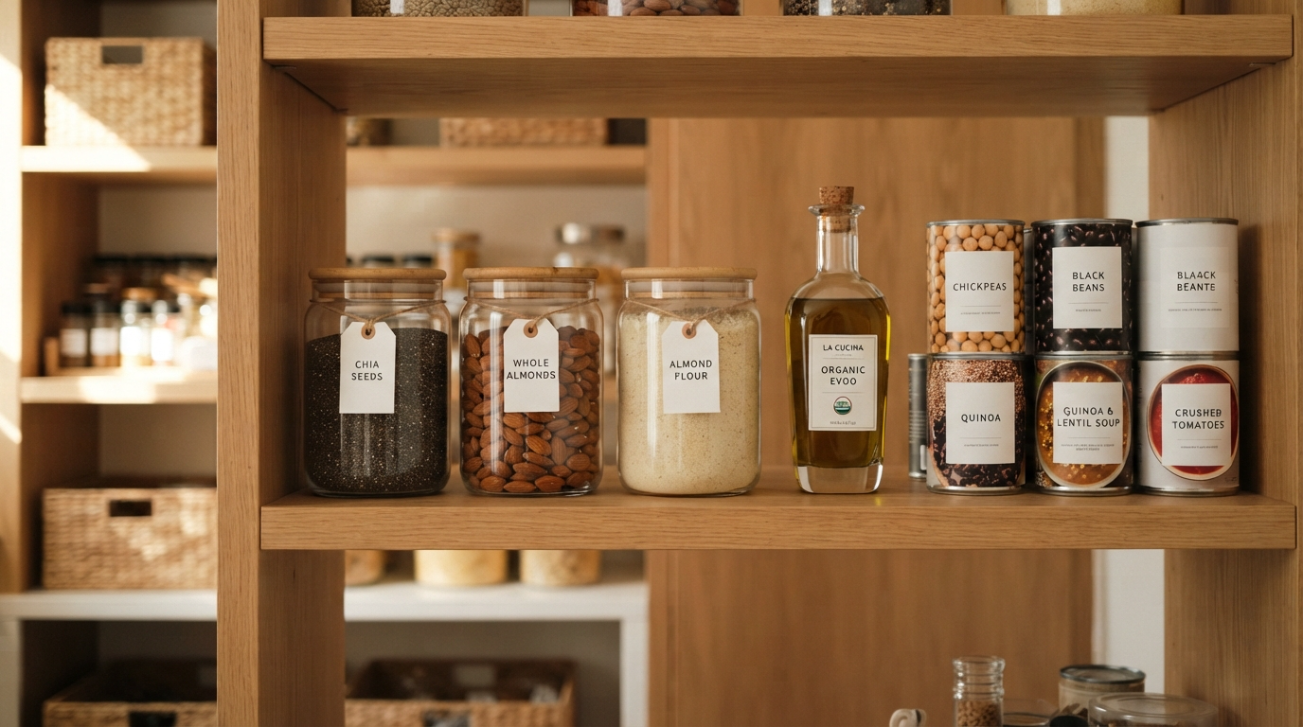
A well-stocked pantry is your best defense against unexpected blood sugar emergencies. When you have the right shelf-stable ingredients on hand, you never have to worry about what to eat when the fridge is empty. Keep high-fiber, low-carb staples like canned wild salmon, chia seeds, almond flour, and extra virgin olive oil fully stocked at all times. I always make sure to have canned green chilies and sugar-free salsa in my cupboard to quickly give plain proteins an instant kick of flavor. Dinner becomes effortless when you focus on easy healthy recipes for diabetic meal planning that can be assembled in ten minutes using basic pantry essentials.
Balance Your Macros to Prevent Glucose Spikes
Eating naked carbohydrates is one of the most common mistakes people make when trying to manage their blood sugar. A naked carb is a carbohydrate eaten entirely on its own, like an apple or a piece of dry toast, which digests quickly and sends your glucose soaring. You can prevent these dangerous spikes by always pairing your carbohydrates with a healthy fat or a clean protein source. Smearing a couple of tablespoons of natural almond butter onto your apple slices dramatically slows down your digestion. This simple habit of pairing your macronutrients protects your insulin levels and provides a steady, sustained release of physical energy throughout the entire day.
Make Peace with Fast and Healthy Shortcuts
You do not have to make every single sauce, dressing, and side dish from scratch to eat well. Accepting help from the grocery store is a survival skill, not a sign of laziness, IMO. Buy pre-washed salad greens, rotisserie chickens, pre-chopped onions, and steamable bags of frozen vegetables to slash your kitchen time in half. I used to think frozen vegetables were inferior until I realized they are picked at peak ripeness and frozen immediately, locking in all their nutrients. Relying on convenient grocery shortcuts keeps you consistent because it lowers the mental and physical barrier to preparing a nourishing dinner.
Frequently Asked Questions
How many carbs should be in a diabetic meal?
While there is no universal number, many people aim for 30 to 45 grams of carbs per meal. This keeps blood glucose stable while still fueling your body. Adjusting this based on your activity level and your doctor’s advice is always the best approach.
Can I eat fruit while planning meals for diabetes?
Yes, you can absolutely eat fruit. Focus on low-glycemic options like berries, apples, and pears. Just make sure to eat them in moderation and pair them with a handful of nuts or some greek yogurt to keep your blood sugar from spiking.
What are the best easy healthy recipes for diabetic meal planning on a budget?
Lean heavily on dried lentils, canned black beans, frozen vegetables, and eggs. These ingredients are incredibly cheap, shelf-stable, and highly nutritious. You can easily whip up a massive, blood-sugar-friendly veggie frittata or a lentil stew for under ten dollars.
How do I handle eating out while sticking to my meal plan?
Look at menus online ahead of time and opt for grilled proteins with side veggies instead of fries. Don’t be afraid to ask for substitutions, like a side salad instead of rice. Most restaurants are incredibly accommodating if you simply ask.
Is snack prep necessary for diabetic blood sugar management?
Prepping snacks prevents emergency convenience store runs when your sugar dips. Keep hard-boiled eggs, raw almonds, or celery sticks with peanut butter ready to go in your fridge. Having these prepared saves you from impulsive, high-carb decisions when hunger strikes.
Conclusion
Finding your rhythm with blood-sugar-friendly cooking takes some trial and error, but it does not mean your flavorful dinner days are over. Start with just one or two of these changes this week and see how your body responds. What is the first recipe you plan to modify for your own kitchen?


One thought on “Easy healthy recipes for diabetic meal planning 2026”