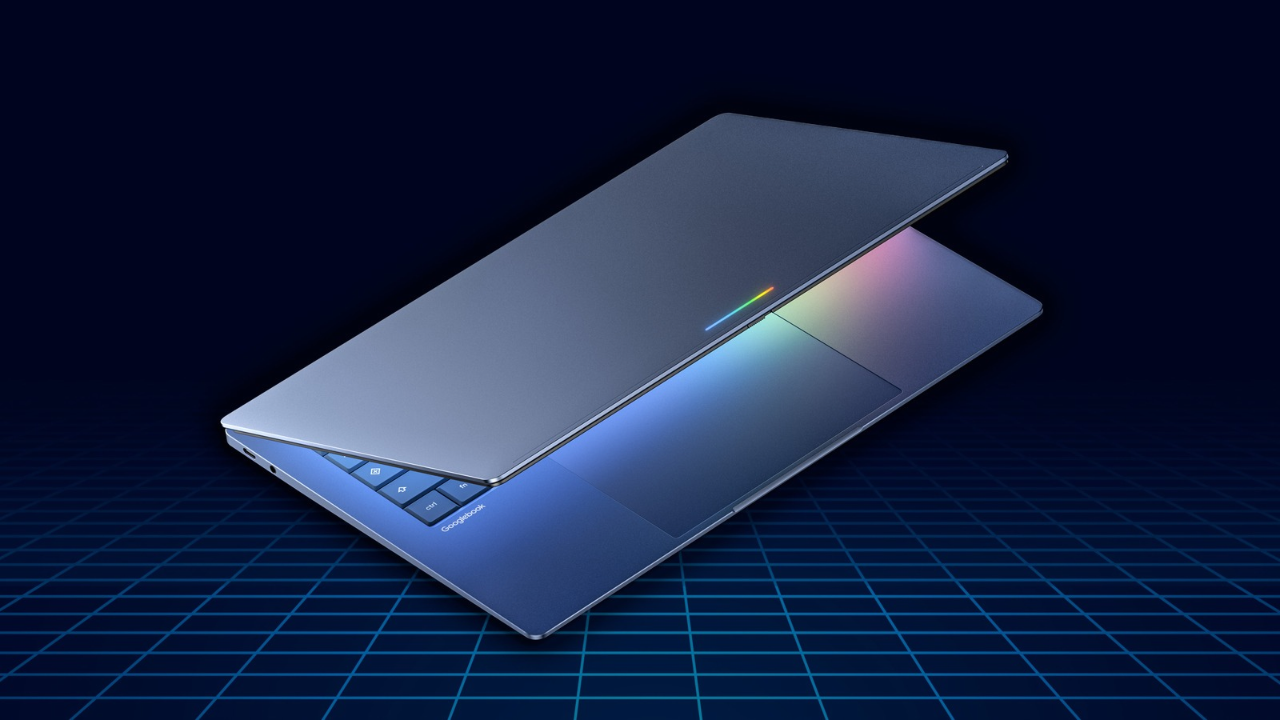
Google is entering a new chapter in the laptop market with its Googlebook platform, bringing Android-inspired features, artificial intelligence, and deeper smartphone integration to personal computers. However, despite the excitement surrounding this new category, buying one at launch might not be the smartest decision for everyone.
The biggest concern is not necessarily the hardware itself. Instead, it is the timing of the launch, the maturity of the software, and the uncertainty surrounding how quickly the platform will improve. For consumers planning to spend hundreds of dollars on a new laptop, waiting could prove more beneficial than becoming an early adopter.
According to a report published by 9to5Google on October 18, 2026, the timing of the Googlebook launch is a major reason to think carefully before purchasing one.
1. Googlebook Is a Promising Idea, but an Unfinished Platform
Googlebook is designed to bring Android closer to the traditional laptop experience. It combines an Android-based operating system with desktop-class Chrome, mobile applications, and AI-powered tools. Google is also working to make switching between smartphones and laptops more seamless, particularly for people who already use Android devices.
Its concept is appealing, but a promising idea does not automatically translate into a dependable computing experience. Buyers need a laptop that can handle their daily responsibilities without forcing them to compromise on essential software or productivity features.
Googlebook is entering a market already dominated by Windows and macOS, platforms that have spent years building mature software ecosystems. Google must demonstrate that its new approach can offer comparable functionality rather than simply introducing an attractive interface.
For early adopters, the challenge is deciding whether the benefits are worth the compromises that accompany a newly launched platform.
2. The Price Makes the Decision More Difficult
One of the strongest arguments against purchasing a Googlebook right now is its price. Google’s initial lineup includes premium laptops starting at $899, with several models priced at $1,299. These prices place Googlebook directly against established Windows laptops and Apple’s MacBook lineup.
At this level, customers expect more than an attractive design and a collection of AI features. They want reliable performance, broad application compatibility, excellent battery life, and a device that remains useful as their professional and personal needs change.
The problem is that Googlebook’s software limitations could make it less versatile than competing laptops available for similar amounts of money.
A less expensive Chromebook might make sense for someone who primarily browses the internet, watches videos, and writes documents. However, spending close to $1,000 or more changes the calculation. Buyers should carefully compare what they receive from each platform before committing to a purchase.
3. Software Compatibility Remains a Major Concern
Hardware specifications are only part of the laptop experience. The applications available on a device often determine whether it can genuinely support someone’s workflow.
Googlebook combines Android applications with web-based experiences, but this approach does not guarantee that every popular application will work as expected. Some services rely on browser versions rather than dedicated desktop applications, while other applications may not provide the functionality users expect from a conventional computer.
This limitation matters particularly for professionals who depend on specialised software. Video editors, developers, designers, and other power users need to verify compatibility with their essential tools before purchasing a new machine.
Even when an application is technically available, its interface might not be optimised for a keyboard, mouse, large display, or multitasking environment.
Google can improve this situation through software updates and stronger developer support. However, buyers should evaluate the platform based on its present capabilities rather than assuming every missing feature will arrive soon.
4. The Timing Problem Goes Beyond Launch-Day Bugs
Every new operating system faces early challenges. Initial software releases can contain bugs, missing features, and usability problems that developers gradually address. Googlebook is no exception.
However, the concern highlighted by 9to5Google goes beyond ordinary launch-day issues. The platform is arriving at a time when laptops are becoming increasingly expensive, making an experimental purchase potentially more costly for consumers.
The article also points to rising memory costs, which have been linked to growing demand from artificial intelligence infrastructure and data centres. These pressures could make computing hardware more expensive, placing additional strain on buyers’ budgets.
That creates a difficult situation. Consumers are being asked to pay premium prices for a new platform while its long-term capabilities and software ecosystem remain uncertain.
When a purchase requires a substantial financial commitment, waiting for clearer evidence of value can be a sensible decision.
5. AI Features Are Not Enough to Justify a New Laptop
Artificial intelligence is central to Google’s vision for Googlebook. Features such as Magic Pointer, Rambler voice dictation, and Create My Widget aim to make everyday computer tasks more intuitive. The platform also integrates Gemini into the desktop experience.
These features could prove useful. AI-assisted writing, voice input, and customisable widgets may help users organise information and complete certain tasks more efficiently.
Nevertheless, AI features should complement a strong computing foundation rather than compensate for missing functionality.
A laptop must still run the applications users depend on, manage files reliably, support multitasking, and provide a consistent experience. If those fundamentals are incomplete, an impressive AI demonstration might not translate into meaningful everyday productivity.
Buyers should therefore ask a practical question: will these AI capabilities improve their actual workflow enough to justify replacing an existing computer?
For many users, the answer may depend on how effectively Google integrates these features into everyday tasks over the coming months.
6. Waiting Could Protect Your Investment
Consider someone purchasing a Googlebook today because it meets their current needs. Six months later, that person might change jobs, start a new course, develop an interest in video editing, or begin using more demanding software.
Suddenly, the laptop that once seemed sufficient could become restrictive.
This is an important consideration because computers are long-term investments. Most buyers expect to use their devices for several years, not simply until the next software update arrives.
According to the original article, many of Googlebook’s present limitations are unlikely to disappear simply because six months have passed.
Waiting allows consumers to observe how developers respond, whether essential applications become available, and whether Google improves the operating system’s overall reliability.
It also gives buyers more opportunities to compare prices, read independent reviews, and determine whether the platform offers enough advantages to justify its cost.
7. Who Should Consider Buying a Googlebook?
Despite these concerns, Googlebook is not necessarily the wrong choice for everyone.
Android enthusiasts who value smartphone integration, primarily work through a browser, and enjoy experimenting with new technology may find the platform appealing. Its hardware specifications, AI tools, and connected-device features could make it a compelling option for users whose requirements align with its strengths.
However, professionals who depend on specialised applications, students with demanding software requirements, and buyers seeking maximum flexibility should be more cautious.
Before purchasing, they should confirm that their essential applications work properly, compare equivalent Windows and MacBook models, and assess whether the premium price delivers sufficient practical benefits.
For people who urgently need a laptop, choosing a proven alternative may be more sensible than waiting indefinitely for Googlebook to mature.
Conclusion
Googlebook represents an interesting direction for personal computing, combining Android, desktop browsing, and AI into a new laptop experience. Its potential is clear, but potential alone is not enough to justify a premium purchase.
The biggest reason to avoid buying one immediately is the combination of high prices, software limitations, and uncertainty about how quickly the platform will mature. When established alternatives offer broader functionality at comparable prices, consumers have good reason to pause.
The smartest decision may be to wait, watch how Googlebook develops, and buy only when its capabilities justify its cost. Early adoption can be exciting, but when hundreds of dollars are involved, patience may deliver better value than being among the first to own a new device.