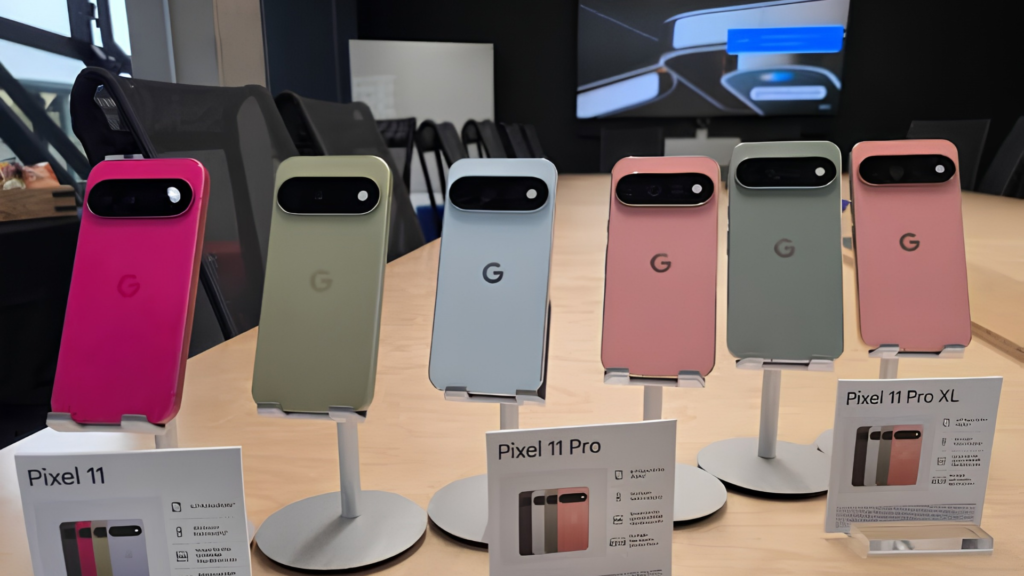

First impressions in tech reviewing can be unfair. A reviewer gets a couple of weeks with a phone, writes up what they found, and moves on. Phones, especially new Pixels, don’t stay static. Software patches land, batteries settle and quirks that seemed enormous start to fade. Tech Advisor’s mobile editor has now published a rare follow-up on the Google Pixel 11 Pro, and the verdict is much warmer than his original one.
From flawed to hard to give up
In his original review, he called Google’s compact flagship a flawed genius. It had moments that impressed him alongside baffling shortcomings. After roughly six weeks more with it, he says the phone has improved so much that swapping his SIM card into another review handset felt like a loss within minutes. He is careful to say his original review was accurate for the time it was written. The difference is that the phone he reviewed is no longer the phone he has now.
That distinction matters. It is a reminder that a review is a snapshot, and with software-led products the snapshot can age quickly.
The software got fixed
The Pixel 11 Pro’s early problems were mostly software ones. The reviewer experienced app ghosting, freezes, crashes and a couple of random reboots, all unwelcome on a line that is supposed to showcase Google’s cleanest Android experience. Other early adopters reported trouble with NFC, 4K video audio, the AI-powered Video Boost feature and even scrolling.
Google’s updates have since resolved most of this. Android 17 still has some rough edges, but the writer calls the difference night and day. Pixels have often launched with early bugs, and this episode follows that pattern: a shaky start followed by a recovery that arrives faster than skeptics expect. It is not an excuse for shipping unfinished software, but it does mean that buying a few months after launch is often the smarter move.
Battery life turned a corner
Battery life was the second big complaint. Early on, the phone lost as much as 25% of its charge per day while sitting idle, which left it barely lasting a full day. Now, overnight drain is only a few percent rather than more than ten, and the reviewer can often stretch to two days between charges.
He is unsure whether the improvement comes from a software fix or from the phone learning his habits, and either way it makes the phone far more livable. The cell is only 4,850mAh, so it will never rival the biggest batteries on the market. But a compact phone no longer feels like a battery compromise, which was the main worry.
HiLight is easier to ignore than expected
Google’s HiLight feature, a notification light next to the cameras, drew sharp criticism in the original review. It was described as a waste of space, and the biggest annoyance was that it can be switched off but never removed from the back of the phone.
After weeks of use, the writer found it much easier to overlook than he anticipated. He still would rather it did not exist, but it does not make the phone ugly in daily life. Google also plans a significant upgrade to the feature before the end of the year, so it may become useful by January. A design quirk that looked like a deal-breaker on day one turned out to be a minor irritant, which says something about how little first-week gripes predict long-term satisfaction.
The cameras are still the draw
Nothing the reviewer liked at the start has gone away. The 6.3-inch display is excellent, though his sensitivity to PWM flicker can cause headaches over time. Build quality is strong, and Google’s built-in AI tools, including the Magic Capture feature, remain his favourites among phones.
The cameras, he says, keep getting more impressive the longer he uses them. Results are consistent in all kinds of lighting, and portrait mode gives subtle, attractive background blur. He rates the selfies as unmatched and maintains that the Pixel 11 Pro and its larger 11 Pro XL sibling have the best point-and-shoot camera system around. For people who want good photos without fiddling with settings, that is the key selling point.
The price is the problem
For all the praise, the writer still stops short of recommending the phone, and the reason is simple: it costs too much. The Pixel 11 Pro launched at £1,079 or $1,099, and discounts have been rare so far. Meanwhile last year’s Pixel 10 Pro, a very similar phone, is often available for much less than its £999 or $999 launch price. The standard Pixel 11 is also cheaper, at £879 or $899.
That makes the Pro a hard sell. Buyers who want the best Pixel camera and software experience can get most of it for noticeably less money by choosing an older or lower-tier model. Paying the full launch price for a phone that has only just stabilised is difficult to justify.
When it might make sense
The picture could change soon. Black Friday falls on 27 November, and the Pixel 11 Pro is a strong candidate for a significant discount. If prices drop enough, the phone could move into serious contention among the best handsets available, since the early bugs are now largely behind it. At the reviewer’s own insistence, though, buyers should not pay four figures or sign an expensive contract for it today.
What this means for buyers
There are three lessons here. First, early reviews of software-heavy phones are provisional, and a revisit can change the conclusion. Second, a Pixel’s first month is often its weakest, so waiting for a few updates can pay off. Third, a great phone can still be a poor purchase if its price is out of line with its alternatives.
The Pixel 11 Pro now looks like a phone that has grown into its promise. Whether it is worth buying depends on what you pay, and for most people, patience will be rewarded.