
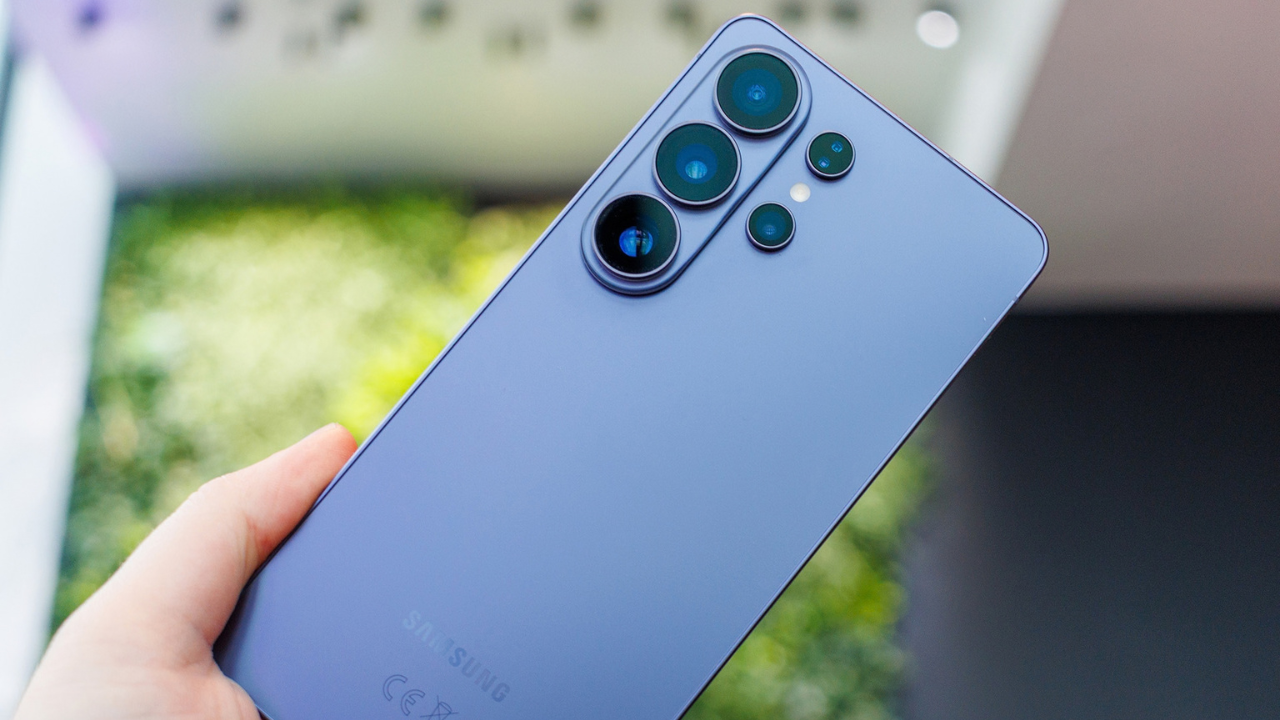
Samsung has been one of the biggest names in the smartphone industry for more than a decade. But while smartphone technology has changed dramatically since 2016, one question remains interesting: **how much more do Samsung phones cost today compared with 10 years ago?**
In 2016, Samsung’s flagship lineup included phones such as the Galaxy S7, Galaxy S7 edge, and Galaxy Note7. In 2026, the company’s premium lineup includes the Galaxy S26, Galaxy S26+, and Galaxy S26 Ultra.
At first glance, Samsung phones appear to have become significantly more expensive. However, the difference becomes more interesting when you compare their specifications, storage options, features, and position in the market.
For a fair comparison, this article uses **U.S. unlocked/list prices and launch MSRPs**, rather than local prices in countries such as Pakistan, where taxes, currency exchange rates, and import costs can make smartphones considerably more expensive.
Samsung Phone Prices in 2016
Back in 2016, the Galaxy S7 was Samsung’s main flagship smartphone. Samsung launched the Galaxy S7 alongside the larger Galaxy S7 edge in March 2016.
The Galaxy S7 featured a 5.1-inch display, while the S7 edge had a larger 5.5-inch curved display. Both phones came with premium glass-and-metal designs, water resistance, wireless charging, and microSD support. Samsung also promoted improvements to the camera, gaming performance, and battery life.
When Samsung released the unlocked versions in the United States later that year, the **Galaxy S7 was priced at $669.99**, while the **Galaxy S7 edge cost $769.99**.
That means a consumer looking for Samsung’s premium experience in 2016 could enter the flagship range for roughly $670.
The Galaxy S7 edge, meanwhile, cost about $100 more than the standard S7 because of its larger curved display and additional premium positioning.
Another important Samsung phone from 2016 was the Galaxy Note7. It was positioned above the Galaxy S7 family and targeted users who wanted a larger screen and Samsung’s S Pen experience.
So, broadly speaking, Samsung’s high-end smartphones in 2016 occupied a price range of roughly **$650–$800**, depending on the model and configuration.
Samsung Phone Prices in 2026
Fast-forward ten years, and Samsung’s flagship lineup has become considerably more advanced.
The 2026 Galaxy S26 series includes three primary models: the **Galaxy S26, Galaxy S26+, and Galaxy S26 Ultra**.
Samsung lists the Galaxy S26 starting at **$899.99** for the 256GB model, while the Galaxy S26+ starts at **$1,099.99**. The Galaxy S26 Ultra starts at **$1,299.99**.
The Ultra model is particularly interesting when comparing 2016 with 2026. The S26 Ultra starts at $1,299.99 for 256GB, while the 512GB version is $1,499.99 and the 1TB version reaches $1,799.99.
In other words, Samsung’s premium smartphone range now stretches much higher than it did a decade ago.
2016 vs. 2026 Samsung Phone Prices
| Samsung phone | Approx. U.S. price |
| ———————– | —————–: |
| Galaxy S7 — 2016 | $669.99 |
| Galaxy S7 edge — 2016 | $769.99 |
| Galaxy S26 — 2026 | $899.99 |
| Galaxy S26+ — 2026 | $1,099.99 |
| Galaxy S26 Ultra — 2026 | $1,299.99 |
The comparison shows that the entry point to Samsung’s flagship S series increased from around **$670 in 2016 to $900 in 2026**.
That’s an increase of about **$230**, or roughly **34%**, before considering inflation and changes in storage.
The difference is even larger at the top end. The S7 edge was around $770, while the S26 Ultra starts at $1,300—a difference of approximately **$530**, or about **69%**.
But Are Samsung Phones Really That Much More Expensive?
Price alone doesn’t tell the entire story.
The Galaxy S7 was a premium smartphone for its time, but smartphone technology has changed substantially over the past decade.
The S7 had a 5.1-inch display, while today’s S26 Ultra has a 6.9-inch display with a 120Hz adaptive refresh rate and QHD+ resolution. Samsung also highlights features such as advanced AI capabilities, improved cameras, and enhanced privacy technology on the S26 series.
Storage has changed too. The Galaxy S7 era was heavily associated with lower storage capacities, while the S26 Ultra is available with up to **1TB of storage**.
There has also been a major shift in smartphone software and computing capabilities.
In 2016, smartphones were primarily marketed around cameras, displays, processors, battery life, and features such as Samsung Pay. In 2026, manufacturers increasingly market phones as AI-powered computing devices capable of performing tasks involving photography, productivity, communication, editing, and other functions.
So while the sticker price has increased, the product itself has also changed considerably.
The Bigger Change: Samsung’s Premium Range
Perhaps the most noticeable difference isn’t simply that Samsung’s cheapest flagship became more expensive. It’s that **Samsung now offers a much wider premium pricing range**.
In 2016, the Galaxy S7 and S7 edge represented Samsung’s main premium S-series options. By 2026, Samsung has created a clearer hierarchy between its standard, Plus, and Ultra models.
The Galaxy S26 starts at $899.99, while the S26 Ultra begins at $1,299.99 and can reach $1,799.99 with 1TB of storage.
That gives consumers more choices—but also means Samsung’s most expensive mainstream Galaxy phone costs considerably more than its flagship phones from 2016.
What About Actual Prices in 2026?
There’s another important factor: **MSRP isn’t necessarily what consumers actually pay**.
Samsung frequently offers trade-in programs, promotions, financing, and discounts. For example, Samsung’s curren
t U.S. listings show promotional discounts on some S26 models, meaning the effective purchase price can be lower than the original MSRP.
This makes direct comparisons somewhat complicated.
A Galaxy S26 may have a $899.99 list price, but a buyer trading in an eligible phone could receive a substantial credit. Similarly, carrier promotions can reduce the effective cost through monthly bill credits.
Therefore, the most useful comparison is between **official list prices**, rather than temporary deals.
Samsung Phones: 2016 vs. 2026
Looking at the numbers, Samsung’s flagship smartphones have clearly moved upward in price over the past decade.
A Samsung flagship that cost around **$670–$770 in 2016** now starts around **$900**, while the top-end Galaxy S26 Ultra starts at **$1,299.99** and reaches **$1,799.99** for 1TB.
But the story isn’t simply that Samsung phones became more expensive.
Modern Galaxy phones offer substantially larger displays, faster processors, more storage, advanced cameras, high-refresh-rate screens, sophisticated software, AI features, and significantly more computing capability than Samsung’s flagship phones from 2016.
Ultimately, the biggest change is that Samsung’s smartphone lineup has expanded from a relatively straightforward premium range into a much broader ecosystem, with the Ultra models occupying a much higher price segment.
**In short, Samsung phones cost more in 2026 than they did in 2016—but today’s flagship phones also represent a very different level of hardware and functionality.**
