
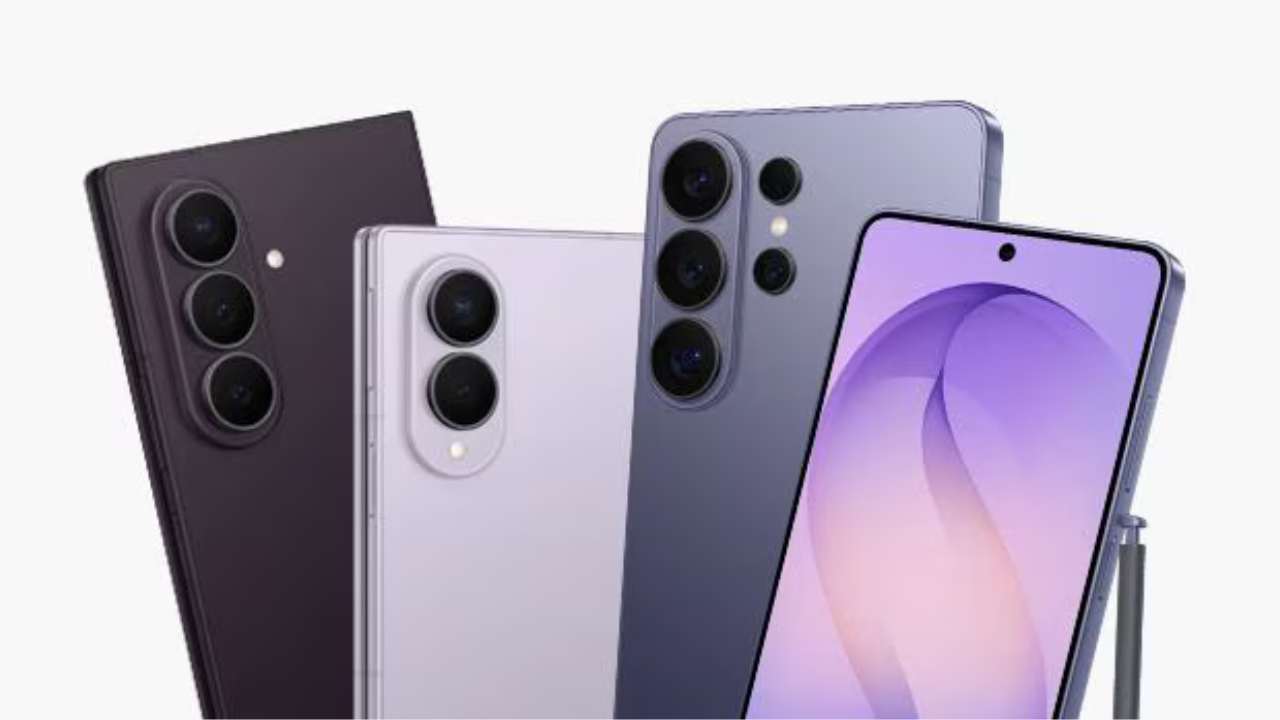
Choosing a new flagship smartphone in 2026 is becoming increasingly difficult. Samsung and Apple are offering some of their most advanced devices yet, with the Galaxy Z Fold 8, Galaxy S26 Ultra, and iPhone 18 Pro Max each targeting a slightly different type of user. On paper, all three are premium smartphones. But sometimes, a couple of small compromises can completely change how attractive a phone feels.
The Galaxy Z Fold 8 is perhaps the most interesting of the three. Its foldable design gives users a large screen without requiring them to carry a traditional tablet-sized device. The phone is also lighter and more refined than earlier generations, making the foldable concept easier to appreciate in everyday use.
However, there is one major omission that may disappoint photography enthusiasts: the lack of a dedicated telephoto camera. For users who regularly photograph distant buildings, landscapes, concerts, or other subjects, optical zoom can make a significant difference. Digital zoom can get closer to the subject, but image quality can suffer as magnification increases.
That makes the Fold 8 an interesting compromise. It delivers an innovative form factor, but users who consider zoom photography essential may have to look elsewhere—or accept the limitation.
Then there is the Galaxy S26 Ultra. Samsung’s Ultra series has traditionally been associated with impressive displays, cameras, performance, and productivity features. The S26 Ultra continues that approach, but its new Privacy Display technology introduces an interesting trade-off.
Privacy Display is designed to make the screen harder for people nearby to view, which can be useful in public spaces. However, according to the PhoneArena editorial, the technology comes with compromises to viewing angles and display tones, even when the privacy feature is turned off. For someone who expects the best possible screen from an expensive flagship, that can be difficult to overlook.
Design is another subjective factor. The S26 Ultra has a different aesthetic from its predecessor, with rounder edges and a redesigned camera area. Some users may appreciate the change, while others may prefer the more familiar appearance of the Galaxy S25 Ultra.
And then there is the iPhone 18 Pro Max.
Interestingly, the biggest attraction discussed in the original article isn’t necessarily a technical specification. It is the Burgundy color option. A distinctive finish can sound like a small detail, but smartphone design is highly personal, especially when users spend thousands of dollars on a flagship device.
The bigger obstacle, however, is the ecosystem. Moving from Android to iOS means adapting to a different operating system, different software behavior, and different ways of interacting with devices and services. Someone who has spent years using Samsung phones may find that switching platforms is a bigger decision than simply comparing camera specifications or screen quality.
Ultimately, these three phones demonstrate that there is no universally perfect flagship. The Galaxy Z Fold 8 prioritizes flexibility and a unique form factor, while the Galaxy S26 Ultra focuses on the traditional premium smartphone experience with advanced features. The iPhone 18 Pro Max, meanwhile, represents Apple’s approach to a polished flagship experience.
The interesting part is that none of these compromises necessarily makes a phone unsuitable. It simply shows how personal smartphone preferences have become. For one person, a missing telephoto camera could be a deal-breaker. For another, display quality might matter more. Someone else may care most about design, software, or staying within an existing ecosystem.
That is what makes the 2026 flagship battle so interesting: the decision isn’t simply about which phone has the longest specification sheet. It is about which compromises you are willing to live with.
